Every year, people lose their life savings buying land that turns out to be disputed, mortgaged, or not even legally owned by the person selling it. The single most important safeguard against this is knowing how to check property title before buying — and yet, so many buyers skip this step entirely, trusting a broker’s word over actual verification.
What Does “Property Title Verification” Actually Mean?
Property title verification is the process of confirming that the seller has clear, marketable, and legally enforceable ownership of a property, free from disputes, liens, or competing claims, before you commit to purchasing it.
It’s not a formality — it’s the single check that protects your entire investment.
Step 1: Trace the Chain of Ownership
Request the original title documents and trace ownership back at least 12-13 years, though 30 years is considered ideal for full safety. This “chain of title” shows how the property passed from one owner to the next through sale deeds, gift deeds, or inheritance documents.
Step 2: Obtain an Encumbrance Certificate (EC)
The EC, issued by the Sub-Registrar’s office, shows whether the property has any registered mortgages, loans, or legal claims against it for a specified period. Always ask for at least a 15-30 year EC, not just a recent one — a short-period EC can miss older, unresolved encumbrances.
Step 3: Verify Property Tax Receipts
Check that property tax has been paid regularly and there are no outstanding dues. This also cross-verifies that the person claiming to be the owner is actually the one recorded with the municipal authority.
Step 4: Check for Litigation
Search relevant court records — district court, high court — for any pending litigation involving the property. Many state High Courts now offer online case status search, which makes this considerably easier than it used to be. Skipping this step is genuinely one of the riskiest shortcuts a buyer can take.
Step 5: Confirm Land Use and Zoning
Verify the land’s classification — agricultural, residential, commercial — with local municipal or revenue records. Buying agricultural land assuming it can be used for residential construction, without proper conversion, is a mistake I’ve seen trip up even experienced buyers.
Step 6: Physical Site Verification
Documents matter, but so does actually visiting the site. Confirm boundaries match the documents, check for any encroachments, and verify there’s no ongoing possession dispute with neighbors or third parties.
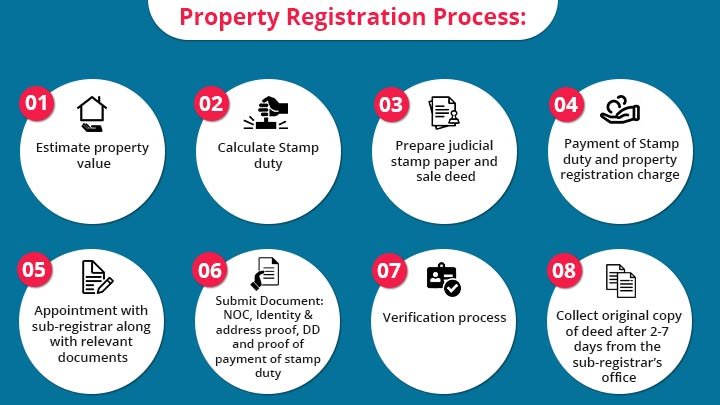
[link to related guide on property registration process here]
Red Flags to Watch For
- Seller reluctant to share original documents, only offering photocopies
- Multiple people claiming ownership or interest in the same property
- Property tax records showing a different owner’s name
- Recent, unexplained transfer of the property shortly before the sale
- Significant price below market rate, which sometimes signals a hidden legal issue
Documents You Should Always Request
- Original sale deed and previous title documents
- Encumbrance Certificate (15-30 years)
- Property tax receipts (latest and historical)
- Survey settlement records / mutation records
- Approved building plan (for constructed property)
- NOC from relevant authorities, if applicable
A Real-World Example
Picture a buyer in Jaipur who found what seemed like an incredible deal on a plot — priced nearly 30% below market rate. A proper title check revealed the land was under litigation between two family members disputing inheritance rights. Without verification, that buyer would’ve unknowingly stepped into a legal battle that could’ve taken years to resolve, with their money potentially locked up the entire time.
FAQs
Q1: What is the most important document to check before buying land? The Encumbrance Certificate and the complete chain of title documents are the two most critical checks before any land purchase.
Q2: How many years of ownership history should I check? Ideally 30 years, though a minimum of 12-13 years is generally considered acceptable practice in most property transactions.
Q3: Can a lawyer help verify property title? Yes, and it’s strongly recommended — a property lawyer can conduct thorough title due diligence and identify risks a layperson might miss.
Q4: What does an Encumbrance Certificate actually show? It shows registered transactions, mortgages, and legal claims against a property for the requested period, helping confirm it’s free of financial liabilities.
Q5: Is it necessary to check court records before buying property? Yes, checking for pending litigation is essential, since a disputed property can remain legally unusable or unsellable for years.
Final Thoughts
Learning how to check property title before buying land isn’t optional due diligence — it’s the single step that separates a safe investment from a potential legal nightmare. Don’t rely solely on a broker’s assurance or a seller’s word; verify everything independently, ideally with a property lawyer’s help, before any money changes hands.