Whether you’re an NRI managing property back home, or someone temporarily unable to handle personal affairs, understanding power of attorney registration in India can save you enormous hassle. It’s one of those legal documents people assume they understand until they actually need one.
What Is a Power of Attorney?
A Power of Attorney (POA) is a legal document through which one person (the principal) authorizes another person (the agent or attorney) to act on their behalf in legal, financial, or personal matters, as specified in the document.
It’s not about giving away rights permanently — it’s a delegation, and it can be as narrow or as broad as you choose to make it.
Types of Power of Attorney
General Power of Attorney (GPA)
This grants broad authority — the agent can handle multiple matters, from managing bank accounts to selling property, essentially acting as the principal across a wide range of transactions. It’s powerful, and honestly, that’s exactly why it should be given only to someone you trust completely.
Special Power of Attorney (SPA)
This is limited to a specific transaction or purpose — say, selling one particular property or representing the principal in one specific court case. Once that task is done, the SPA’s purpose is fulfilled.
Durable Power of Attorney
This remains valid even if the principal becomes mentally incapacitated, which is particularly useful for elderly parents planning ahead for potential future incapacity.
Is Registration of a POA Mandatory?
This is where a lot of confusion exists. Registration is mandatory only when the POA involves the transfer of immovable property — under Section 17 of the Registration Act, 1908. For most other purposes (bank transactions, general representation), notarization is often sufficient, though registration adds an extra layer of legal weight and authenticity.
Step-by-Step Registration Process
- Draft the POA document clearly specifying the powers being granted, the property or matter involved, and any limitations
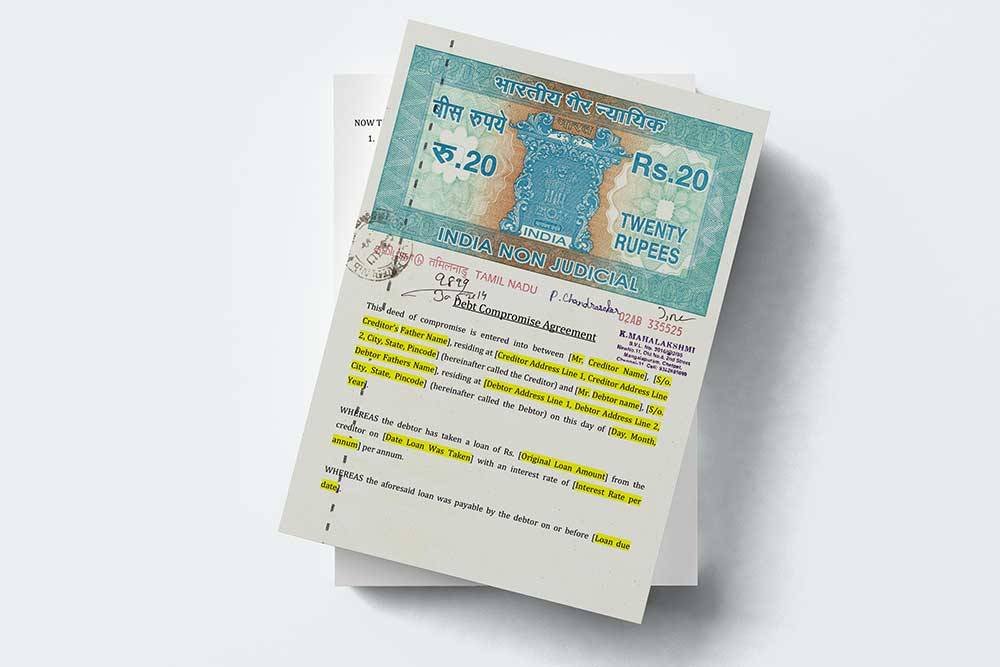
- Get it printed on appropriate stamp paper — stamp duty varies significantly by state, ranging from a few hundred rupees to a percentage of property value in some states
- Visit the Sub-Registrar’s office in the jurisdiction where the property is located (for property-related POAs)
- Both principal and agent (or their representatives) must be present, along with two witnesses
- Biometric verification and photographs are taken as part of the registration
- Pay applicable registration fees, and the registered POA is issued
Special Rules for NRIs
NRIs face a slightly different process — they typically execute the POA before the Indian Embassy or Consulate in their country of residence, or get it notarized there and then adjudicated (stamped) within a specific period after arrival or receipt in India. This is a common pain point, and I’ve seen delays happen simply because people weren’t aware of the adjudication deadline.
[link to related guide on property registration process here]
Revoking a Power of Attorney
A POA can be revoked at any time by the principal (as long as they’re mentally competent), through a formal deed of revocation, which should ideally be registered and communicated to relevant third parties (banks, registrar offices) to prevent misuse after revocation.
Common Misuse Concerns
POAs, especially General Power of Attorney for property, have historically been misused to bypass proper property transfer procedures (the “GPA sale” practice). The Supreme Court, in Suraj Lamp & Industries v. State of Haryana (2011), clarified that property “sales” through GPA alone don’t constitute valid legal transfer of ownership — a registered sale deed is still required for actual title transfer.
A Real-World Example
Picture an NRI based in Dubai who needs to sell an ancestral property in Jaipur but can’t travel frequently. A registered Special Power of Attorney, authorizing a trusted family member to handle the sale on their behalf, allows the transaction to proceed legally without requiring the NRI’s physical presence at every step.
FAQs
Q1: Is registration of a Power of Attorney compulsory in India? It’s mandatory only when the POA relates to immovable property transactions; for other purposes, notarization is often sufficient.
Q2: Can a Power of Attorney be used to sell property directly? No, a POA alone doesn’t transfer ownership — a registered sale deed is still legally required to complete a valid property sale.
Q3: How can an NRI register a Power of Attorney for property in India? NRIs typically execute the POA at the Indian Embassy/Consulate abroad, then get it adjudicated (stamped) in India within the prescribed time period.
Q4: Can a Power of Attorney be cancelled after it’s registered? Yes, through a registered deed of revocation, and it’s important to notify all relevant parties to prevent continued misuse.
Q5: What’s the difference between General and Special Power of Attorney? A General POA grants broad authority across multiple matters, while a Special POA is limited to one specific transaction or purpose.
Final Thoughts
Getting power of attorney registration in India right matters more than people realize, especially for property matters. Whether you’re planning ahead for your own future needs or helping a family member abroad manage affairs back home, make sure the document is specific, properly stamped, and registered where legally required — vague or improperly executed POAs cause far more problems than they solve.